Start with a free buying appraisal from a buyer who tests and grades in front of you and writes down every item. That tells you what the collection would sell for today. If you need a value for probate, taxes or insurance, hire a certified appraiser, who charges a fee and does not buy.
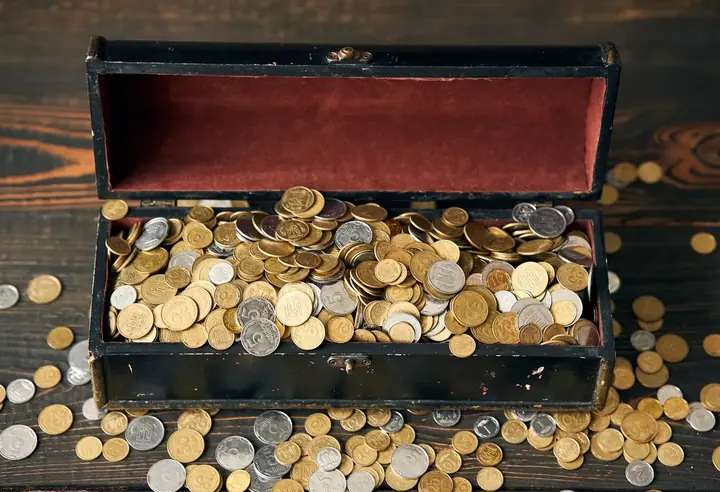
Two kinds of appraisal
A buying appraisal tells you what a buyer will pay you today. A certified or formal appraisal, done by an accredited appraiser, gives a value for legal or insurance purposes and usually costs a fee. Many families need only the first. Executors sometimes need both.
What to bring
Bring everything in its original holders and containers.
- Albums, folders and sets
- Loose coins in their jars or bags
- Gold and silver jewelry
- Bullion and certificates
- Any receipts, lists or earlier appraisals
What to ask
Does the buyer test and weigh in front of you? Which spot price do they use, and what percentage do they pay? Do they grade collector coins and explain the grades? Will every item go on paper? A buyer who answers all of those clearly is a good start.
Taking your time
There is rarely a reason to rush. Get the written list, show it to family, compare it with another buyer if you like and decide when you are ready.
A few more answers
Do I need probate finished first?
No. You can get a buying appraisal any time. Selling may need the executor's sign-off.
Should I split up the collection?
Not before an appraisal. Keep it together so nothing gets lost or mixed up.
When you are ready: Estates and inherited collections